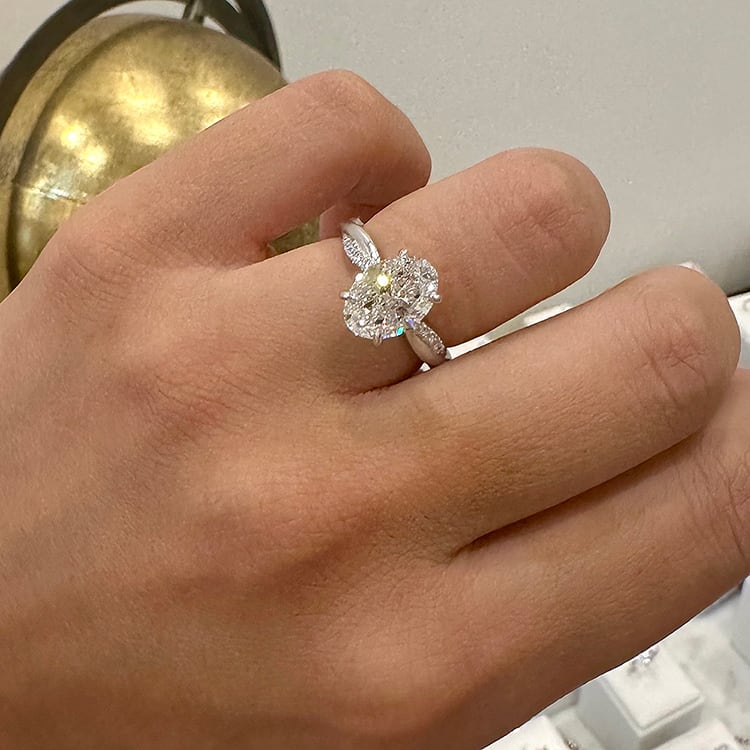

When buying man made diamonds, understanding certification is crucial to ensure you receive a high-quality, authentic stone. The two most recognized gemological labs providing grading reports for man made diamonds are the Gemological Institute of America gia vs igi. Both offer detailed evaluations, but there are important differences to consider when selecting the right certification for your diamond purchase.
Table of Contents
What Are Man Made Diamonds?
Man made diamonds, also known as lab grown or synthetic diamonds, are created in laboratories using advanced technological processes that replicate natural diamond formation. These diamonds possess the same physical, chemical, and optical properties as mined diamonds but are generally more affordable and ethically sourced.
As the market for man made diamonds grows, so does the importance of reliable certification to guarantee the quality and authenticity of the stones.
The Role of Certification in Man Made Diamonds
Certification from respected gemological labs provides buyers with an independent assessment of a diamond’s key characteristics, including cut, color, clarity, and carat weight. For man made diamonds, certification also verifies that the diamond is lab grown, offering peace of mind about its origin.
Having a certification report from GIA or IGI helps protect your investment and enables you to compare diamonds accurately.
GIA Certification: The Industry Gold Standard
The GIA is widely regarded as the most prestigious gemological laboratory in the world. Established in 1931, the GIA set the global standards for diamond grading, creating the universally accepted 4Cs system: Cut, Color, Clarity, and Carat.
GIA offers detailed grading reports for man made diamonds that emphasize precision and consistency. Their reports include microscopic images and clarity plots, providing transparency about inclusions and other characteristics.
GIA’s reputation is built on scientific rigor and unbiased evaluation, making their certification highly trusted among jewelers, buyers, and appraisers.
IGI Certification: A Popular Choice for Lab Grown Diamonds
The IGI, founded in 1975, is another major gemological institute specializing in grading both natural and lab grown diamonds. IGI certification is widely recognized, especially in markets where man made diamonds are popular.
IGI reports for man made diamonds include comprehensive details on the 4Cs and often provide more affordable certification fees, which can lower the overall cost for consumers.
IGI also offers grading reports that highlight the diamond’s lab grown origin and uses clear terminology to help buyers understand the quality of their man made diamonds.
Key Differences Between GIA and IGI Certifications
While both GIA and IGI provide valuable grading services for man made diamonds, there are some distinctions:
-
Reputation: GIA is generally viewed as the gold standard with a longer history and stronger reputation globally. IGI is also respected but sometimes perceived as less stringent.
-
Pricing: IGI certification fees tend to be lower than GIA’s, which can affect the final price of man made diamonds when certification costs are included.
-
Report Details: GIA reports are often more detailed, with extensive information on the diamond’s features, while IGI reports are clear but may include slightly less detailed analysis.
-
Market Presence: GIA certification is often preferred buyers and jewelers in the U.S., whereas IGI is more prevalent in European and Asian markets for man made diamonds.
Which Certification Should You Choose for Man Made Diamonds?
Choosing between GIA and IGI certification depends on your priorities:
If you want the most recognized and trusted grading report, especially for investment purposes, GIA is often the preferred choice. Their rigorous standards ensure consistent grading, which can add resale value and confidence.
On the other hand, if budget is a concern and you want a reliable but more affordable certification, IGI offers a strong alternative. IGI’s reports are respected and widely accepted, particularly for man made diamonds, making them a practical choice for many buyers.
Understanding the Certification Report
Regardless of whether you choose GIA or IGI, carefully review the certification report. Pay attention to the 4Cs, the presence of any fluorescence, the diamond’s measurements, and the plotted inclusions or blemishes.
Both GIA and IGI clearly state the diamond’s origin, confirming that your stone is a man made diamond. This transparency is vital for buyers who want assurance about ethical sourcing and product authenticity.
The Importance of Certification in Today’s Market
With the increasing popularity of man made diamonds, certification helps separate genuine lab grown diamonds from simulants or treated stones. It assures buyers of the quality and characteristics of their purchase.
Whether shopping for an engagement ring or fine jewelry, obtaining a certification from a reputable lab like GIA or IGI ensures you are making a wise and informed decision.
Conclusion: Make an Informed Choice for Your Man Made Diamonds
When it comes to certifying man made diamonds, both GIA and IGI offer valuable services. Your choice depends on factors like reputation, budget, and market preferences. GIA’s rigorous standards and detailed reports provide the highest level of assurance, while IGI offers trustworthy certification at a more accessible price point.
Whichever you choose, always request a grading report with your man made diamonds purchase to ensure quality, authenticity, and lasting value. This certification will be an important part of your jewelry investment, helping you confidently enjoy the beauty and brilliance of your diamond for years to come.