
Table of Contents
Introduction
Assuming you’re on the chase after the ideal lab-grown diamond, you’ve probably stumbled upon two critical names in the certificate world: IGI and GIA. Understanding the differences between these two can be a distinct advantage in making an informed buy. In this aide, we’ll plunge into everything you want to be familiar with IGI and GIA confirmations, their processes, and what these differences mean for you as a purchaser.
Outline of Lab-Grown Diamonds
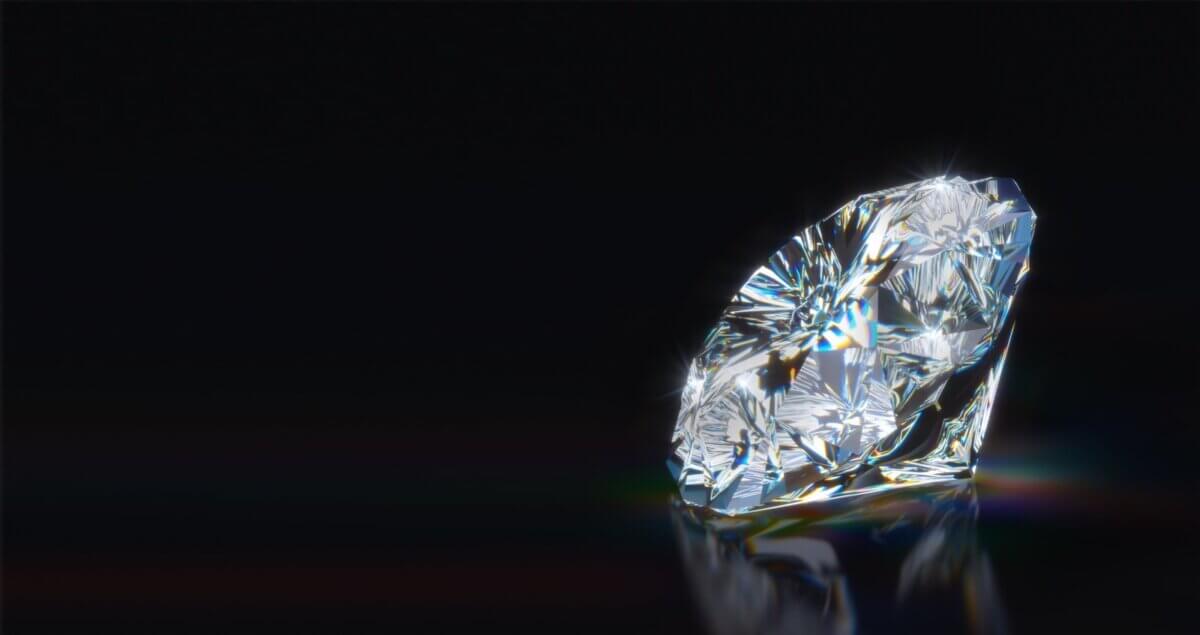
Lab-grown diamonds, otherwise called engineered or refined diamonds, are genuine lab created diamonds made in a laboratory setting. They have similar physical and synthetic properties as regular diamonds, however they are in many cases more affordable and accompany a lower environmental impression. As their notoriety rises, confirmation offices like IGI and GIA assume a vital part in ensuring their quality and credibility.
Significance of Diamond Affirmations
Consider diamond certificates a blessing. They guarantee purchasers of the diamond’s quality and legitimacy. With regards to lab-grown diamonds, accreditation turns out to be much more basic since it separates them from regular stones and gives confirmation about their attributes.
Understanding IGI
History and Foundation
The Global Gemological Organization (IGI) was laid out in 1975 and has grown to become one of the world’s driving gemological laboratories. With an emphasis on giving far reaching and exact assessments, IGI has gained notoriety for its broad involvement with both normal and lab-grown diamonds.
IGI’s Affirmation Process
IGI’s certificate process includes a progression of thorough moves toward survey the nature of lab-grown diamonds. Their reports are intended to give detailed information about different parts of the diamond, including its clearness, cut, variety, and carat weight.
What IGI Measures in Lab-Grown Diamonds
Lucidity and Cut
IGI assesses the clearness of a diamond looking at interior and outside blemishes or considerations. The cut is surveyed in light of how well the diamond has been molded and cleaned, influencing its general brightness.
Variety and Carat Weight
Variety reviewing at IGI goes from D (boring) to Z (light yellow or brown). Carat weight is measured exactly to decide the size of the diamond, which is a significant factor in its worth.
Understanding GIA
History and Foundation
Established in 1931, the Gemological Foundation of America (GIA) is another unmistakable player in the realm of gemology. Known for its thorough standards and detailed reports, GIA has turned into a confided in name in diamond certificate.
GIA’s Accreditation Process
GIA’s certificate process is exhaustive, zeroing in on different parts of the diamond to give a far reaching report. Their system is intended to guarantee that every diamond is assessed with most extreme accuracy.
What GIA Measures in Lab-Grown Diamonds
Clearness and Cut
Like IGI, GIA evaluates clearness recognizing incorporations and flaws. The cut is made a decision about in light of its craftsmanship and how well it improves the diamond’s radiance.
Variety and Carat Weight
GIA utilizes a reviewing scale for variety, with D being boring and traveling through to Z. Carat weight is measured to decide the diamond’s size, which altogether influences its reasonable worth.
Comparing IGI and GIA Accreditations
Exactness and Consistency
Both IGI and GIA are renowned for their exactness, however they have various strategies. IGI will in general be more detailed in its reports, while GIA’s reports are considered more standardized. Consistency in reviewing is essential, as it keeps up with the believability of the certificate.
Notorieties and Industry Acknowledgment
GIA is in many cases seen as the gold standard in diamond accreditation because of its well established standing and impact in the business. IGI is additionally regarded however is once in a while seen as less stringent. The decision among IGI and GIA can rely upon individual inclinations and explicit requirements.
Certificate Expenses
Confirmation expenses can change among IGI and GIA. For the most part, GIA’s reports might be more costly because of their broad investigation and market notoriety. IGI offers serious estimating, making it a practical choice for those searching for quality at a lower cost.
Influence on Diamond Worth
Market Insight
The market view of diamonds ensured GIA is normally higher because of the organization’s solid standing. IGI-confirmed diamonds are likewise esteemed, yet GIA’s name can some of the time command a premium.
Resale Worth
With regards to resale, GIA-guaranteed diamonds frequently have a better history. The GIA’s confirmation can add esteem because of its boundless acknowledgment and trust inside the business.
Consumer Considerations
Picking the Right Accreditation for Your Requirements
Picking either IGI and GIA relies upon different factors, including your budget, individual inclinations, and the significance you put on affirmation. The two certificates give significant information, yet the decision might influence your buying choice and long haul fulfillment.
How to Peruse Confirmation Reports
Understanding confirmation reports can challenge. Both IGI and GIA reports incorporate insights regarding the diamond’s qualities, including an evaluating scale for lucidity, cut, variety, and carat weight. Get to know these terms to go with an informed choice.
Conclusion
In the clash of igi vs gia lab grown, both accreditation organizations offer significant experiences into lab-grown diamonds. While GIA’s standing and detailed reports might offer added confirmation and possibly higher resale esteem, IGI gives an extensive assessment at a more cutthroat cost. Eventually, the decision relies upon your particular necessities and inclinations. By understanding the qualities of every certificate, you can pursue an informed choice that best suits your necessities and guarantees you get the most worth out of your lab-grown diamond.


