


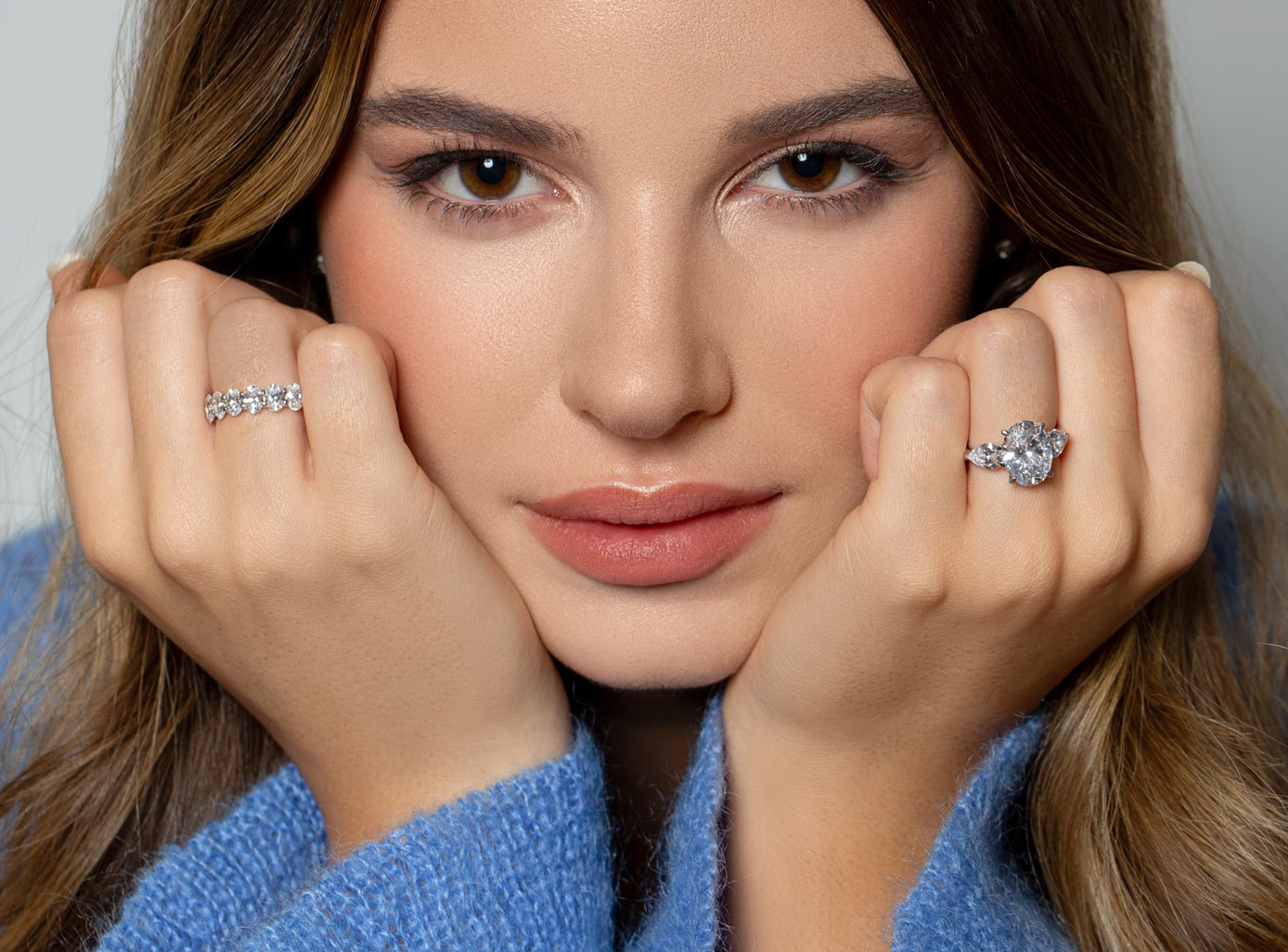
While looking for a diamond ring, whether for a commitment or as an extraordinary piece of gems, one of the main perspectives to consider is the setting. Among the different components of a ring, the lab diamond rings hooks — or prongs — assume a pivotal part in both the tasteful allure and security of the diamond. This article will explore the importance of lab diamond rings hooks, their various types, and why they are fundamental while planning or buying a lab-grown diamond ring.
Table of Contents
What Are Lab Diamond Rings Hooks?
Lab diamond rings hooks are the little metal prongs that hold the diamond safely set up on the ring band. These hooks are intended to hold the diamond and keep it from moving or dropping out. On account of lab diamond rings claws hooks, they perform a similar capability as those utilized in customary mined diamond rings. While the expression “hooks” may sound unforgiving, it alludes to the little, defensive metal prongs that tenderly hold the diamond at the top of the ring, showcasing its brightness and shimmer.
The main role of lab diamond rings paws is to safely hold the diamond while upgrading its magnificence. Since lab-grown diamonds are indistinguishable from mined diamonds as far as actual properties, lab diamond rings paws serve a similar capability to guarantee the stone remaining parts protected without hindering its regular sparkle.
Types of Lab Diamond Rings Hooks
There are a few types of lab diamond rings hooks, each offering various styles and levels of safety. The most widely recognized types include:
Four-Prong Paws: This is the most work of art and well known plan for lab diamond rings hooks. It highlights four metal prongs that hold the diamond at its corners, allowing the focal point of the stone to remain uncovered for greatest light reflection. Four-prong settings are great for round diamonds and are frequently utilized for wedding bands.
Six-Prong Paws: Offering extra security, six-prong hooks fold over the diamond more safely, giving additional assurance against unintentional harm or misfortune. This sort of setting is in many cases picked for bigger diamonds, including those that might be set in more dynamic settings like wedding rings.
Bezel Setting: Here, the diamond is encircled a flimsy metal edge, instead of having individual lab diamond rings hooks. While not in fact hooks, the bezel setting offers a cutting edge and secure choice for those hoping to keep away from the conventional prong look.
V-Prong Paws: For marquise, oval, or pear-molded diamonds, V-prong hooks are frequently utilized. These prongs are molded in a “V” to hold the diamond solidly at its edges, decreasing the gamble of chipping and giving a smooth, contemporary look.
Basilica Setting: While this setting isn’t explicitly centered around lab diamond rings paws, it includes the utilization of curves that raise the diamond, regularly utilizing prongs or hooks to get the diamond set up. An extraordinary decision for those need added level and polish in their lab diamond ring.
Every one of these settings offers an alternate tasteful and level of safety. While picking lab diamond rings paws, consider your way of life and the diamond shape to track down the most appropriate setting.
Why Lab Diamond Rings Paws Matter
The capability of lab diamond rings paws is to keep your valuable stone secure, yet they likewise significantly affect the ring’s appearance. A very much planned paw setting will permit greatest light to enter the diamond, improving its brightness and shimmer. This is especially important for lab diamond rings paws, as lab-grown diamonds are sliced to similar standards as mined diamonds and display unimaginable fire and splendor.
Lab diamond rings hooks are additionally important for the life span and strength of the diamond. Picking a safe hook releasing limits the gamble of the diamond becoming or dropping out, ensuring that your ring stays as gorgeous as the day you bought it. Whether you’re wearing your ring everyday or saving it for extraordinary events, the security given the hooks guarantees the diamond stays in salvageable shape and very much safeguarded.
The Tasteful Allure of Lab Diamond Rings Hooks
Lab diamond rings hooks contribute not just to the usefulness yet in addition to the stylish magnificence of the ring. The hooks are intended to mix with the plan of the ring, supplementing the diamond’s shape and size. For instance, four-prong settings frequently emphasize the brightness of the diamond permitting more light to hit its surface. Interestingly, a six-prong setting might show up more strong and conventional, offering both security and polish.
The best decision of lab diamond rings paws can have a huge effect in the general style of the ring. Certain individuals incline toward the moderate look of a bezel or strain setting, while others value the exemplary class of four-prong or six-prong hooks. The hooks’ perceivability might change the ring’s character — whether you’re going for a more rare look with customary prongs or a smooth, current appearance with moderate settings.
Support of Lab Diamond Rings Hooks
Caring for lab diamond rings paws is critical to guarantee that your diamond remains safely set up. Over the long run, the metal prongs might slacken, and it’s important to have them checked a goldsmith routinely, particularly in the event that you wear the ring day to day. Gem dealers can likewise fix lab diamond rings paws to guarantee they are holding the diamond safely.
Furthermore, soil and trash can amass around the paws, which can influence the presence of the diamond and the ring. Cleaning the ring tenderly with a delicate brush and a gentle cleanser arrangement can assist with keeping up with its radiance and guarantee the paws stay liberated from garbage that could debilitate their hold.
Picking the Right Paw Setting for Your Lab Diamond Ring
While choosing a lab diamond rings hooks setting, it’s vital for consider both your own style and the way of life in which the ring will be worn. On the off chance that you lead a functioning way of life, you might incline toward a more solid setting, for example, a six-prong or bezel setting, which offers improved security. On the off chance that you’re searching for a smooth and contemporary look, a four-prong or strain setting might be great.
It’s additionally important to consider the state of the diamond while choosing the right lab diamond rings paws. Round lab grown diamonds commonly look best with four-prong settings, while marquise or oval diamonds might profit from the extra security given V-prong paws. Moreover, think about the metal sort for the setting, as the hooks can be produced using platinum, white gold, yellow gold, or rose gold, each offering an alternate tasteful allure.
Conclusion
In conclusion, lab diamond rings paws are a fundamental piece of a lab-grown diamond ring’s plan and usefulness. These prongs not just secure the diamond yet additionally improve its splendor and generally appearance. Understanding the various types of hooks and how they add to the ring’s security and style will assist you with picking the ideal setting for your lab-grown diamond. Whether you lean toward the exemplary class of four-prong settings or the cutting edge allure of bezel settings, lab diamond rings paws are a fundamental piece of making a delightful, secure, and dependable piece of gems.