
Review of State Pension Age: Current Situation and Potential Changes
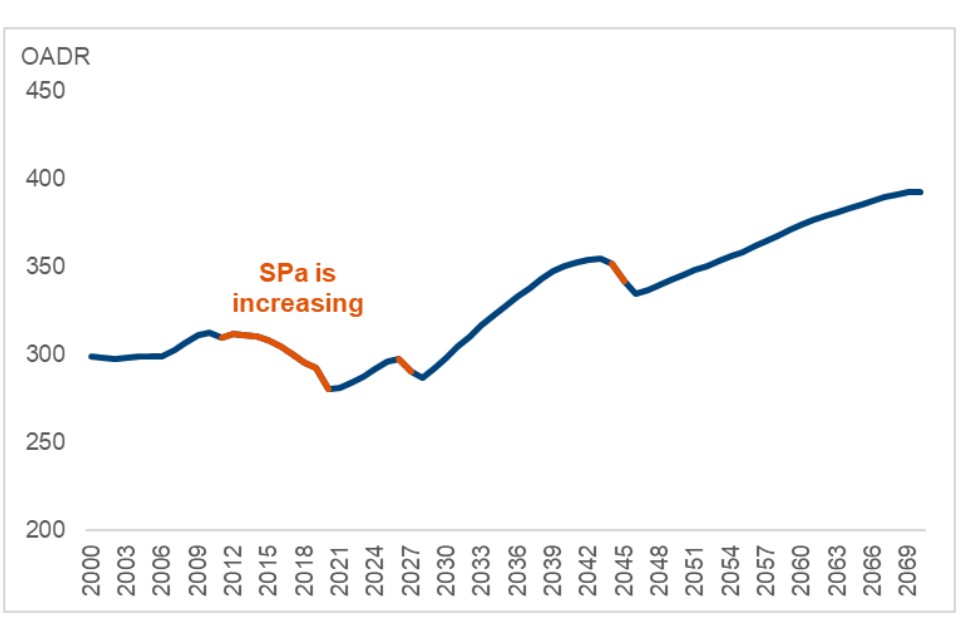
The state pension age, a pivotal policy affecting millions of citizens, is under scrutiny once again as governments worldwide grapple with aging populations and fiscal sustainability. In recent developments, various countries, including the UK, have initiated reviews aimed at assessing the adequacy and fairness of their pension systems.
Table of Contents
Understanding State Pension Age
The state pension age determines when individuals can claim state pension benefits, serving as a cornerstone of retirement planning. Historically, it was set at 65 for men and gradually increased to 66 for both genders. This shift reflects demographic changes and increased life expectancy https://nhbulletin.us/, necessitating adjustments to ensure the long-term viability of pension systems.
Current Developments in the UK
In the United Kingdom, the state pension age has been a subject of ongoing debate. Recent reviews have been prompted concerns over affordability and equity, especially considering disparities in life expectancy across socio-economic groups. Efforts to equalize retirement ages between genders have also been a focus, following the phased increase to 66 for both men and women.
Implications of Proposed Changes
Proposals under review include further incremental increases in the state pension age, potentially aligning it with projected changes in life expectancy. Advocates argue that such adjustments are necessary to maintain the financial sustainability of pension schemes and reflect demographic realities. However, critics caution against disproportionately impacting vulnerable groups, urging measures to protect those unable to work until an older age due to health or labor market challenges.
Global Perspectives and Comparisons
Internationally, countries such as Japan, Germany, and Australia have implemented or are considering similar reforms to address aging populations and ensure pension system stability. These measures often involve phased increases in retirement ages coupled with adjustments to social safety nets to mitigate potential hardships.
Public Reaction and Stakeholder Engagement
Public consultations and stakeholder engagement play crucial roles in shaping pension age policies, ensuring they align with societal expectations and economic realities. Balancing the interests of different demographic groups and economic sectors remains a formidable challenge for policymakers seeking consensus on future reforms.
Conclusion
As governments worldwide navigate the complexities of pension reform, the review of state pension age stands out as a critical policy issue. Balancing fiscal sustainability with social equity remains paramount, requiring careful consideration of demographic trends, economic factors, and public sentiment. Future decisions will shape retirement landscapes for generations to come, underscoring the importance of informed, inclusive policy discussions.
This review underscores the evolving nature of pension systems globally and highlights the importance of adaptive policy frameworks in meeting the needs of aging populations.


