
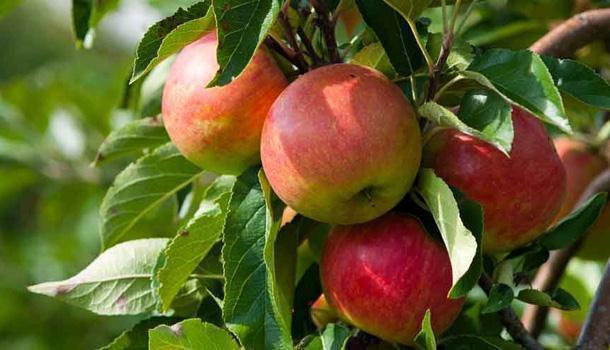
Cordon apple trees, with their elegant and space-efficient growth, are an excellent choice for anyone looking to cultivate fruit in Britain. Whether you’re an experienced gardener or a beginner, understanding how to grow and care for these trees can yield delightful and abundant harvests. This guide, crafted with the insights of a nursery expert, aims to provide you with all the essential information you need to grow cordon apple trees successfully in your garden.
Table of Contents
More About Cordon Apple Trees
Cordon apple trees are a specialized form of apple tree pruned and trained to grow vertically, supported a post or wire. This technique makes them an ideal choice for smaller gardens, where space is at a premium. Unlike traditional apple trees, which can spread widely and require considerable space, cordon trees are typically grown as single or multiple vertical stems. This not only saves space but also allows for easier maintenance and harvesting.
Benefits of Cordon Apple Trees
One of the primary benefits of cordon apple trees is their compact size, which makes them suitable for gardens of all sizes, including small urban gardens and patios. They are also highly productive, often bearing fruit as early as one year after planting. Additionally, because of their vertical growth habit, they are less prone to certain pests and diseases that typically affect more sprawling apple trees.
Cordon apple trees are also aesthetically pleasing. As we can see on https://www.fruit-trees.com/buy-cordon-apple-trees-online.html, their vertical lines can add a unique architectural element to a garden, and they can be used to create living fences or screens. Furthermore, the ease of pruning and training means that even novice gardeners can achieve impressive results.
Choosing the Right Varieties for British Gardens
When selecting cordon apple trees, it’s important to choose varieties that are well-suited to the British climate. The UK’s climate can be variable, with mild, wet winters and cool, often rainy summers, so selecting varieties that can thrive in these conditions is crucial.
Climate Considerations
In general, apples require a certain number of “chill hours” to produce fruit, which refers to the amount of time the temperature is between 0°C and 7°C during the winter. British winters typically provide sufficient chill hours for most apple varieties. However, it’s also important to choose varieties that are resistant to common British apple diseases, such as scab and canker, to ensure a healthy crop.
Popular Cordon Apple Varieties
Several apple varieties are particularly well-suited to cordon training and the British climate. Some of the most popular include:
Discovery: This early-season apple is known for its crisp, sweet flavor and attractive red skin. It’s a reliable performer in British gardens and is relatively easy to grow.
James Grieve: This versatile apple is great for both eating fresh and cooking. It has a sharp, tangy flavor and performs well in cooler climates.
Egremont Russet: This mid-season variety is beloved for its unique nutty flavor and russeted skin. It’s also known for its resistance to common apple diseases.
Sunset: Often considered a good substitute for the popular ‘Cox’s Orange Pippin,’ ‘Sunset’ is a reliable and disease-resistant variety with a sweet, aromatic flavor.
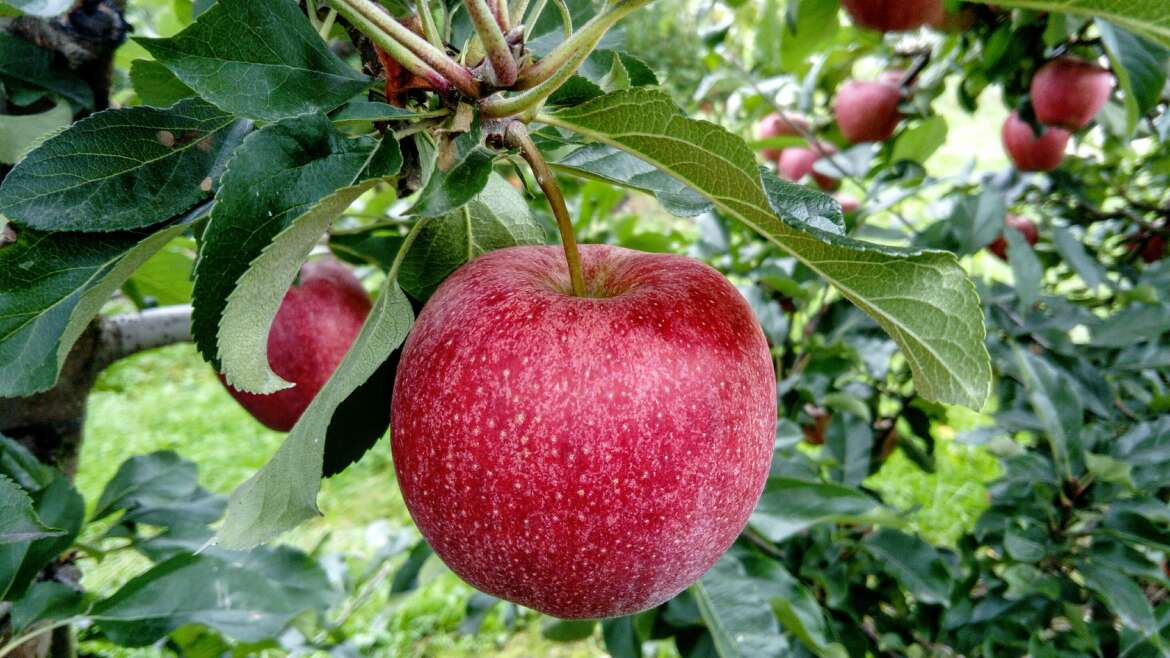
Planting and Caring for Cordon Apple Trees
Once you’ve selected your varieties, it’s time to plant and care for your cordon apple trees. Proper planting and care are crucial to ensure the health and productivity of your trees.
Planting Your Trees
Cordon apple trees can be planted in the ground or in large containers, making them a flexible option for various garden setups. Here’s how to plant them effectively:
Choose a Sunny Spot: Apple trees require full sun to produce the best fruit, so select a location that receives at least six hours of sunlight per day.
Prepare the Soil: Apple trees do well in well-drained, pH 6.0 to 7.0, slightly acidic to neutral soil. To increase fertility and drainage in your very clayed or very sandy soil, think about adding compost.
Planting Depth: Dig a hole that is twice the width of the tree’s root ball and just deep enough to accommodate the roots. The graft union (a visible bulge near the base of the trunk) should be above the soil line to prevent it from rooting.
Support System: Install a sturdy support, such as a post or wire framework, to which the tree can be tied. This will help train the tree and support its vertical growth.
Watering: Water the tree thoroughly after planting and keep the soil moist, but not waterlogged, until the tree is established.
Pruning and Training
Pruning and training are essential for maintaining the shape and productivity of cordon apple trees. Here’s a guide to pruning and training your trees:
Initial Pruning: After planting, prune the main stem to about 45-60 cm from the ground. This will encourage side shoots and establish the initial framework.
Summer Pruning: During the growing season, regularly prune back any side shoots to three leaves beyond the basal cluster of leaves. This will help concentrate the tree’s energy into fruit production rather than excessive vegetative growth.
Winter Pruning: In the winter, prune back any dead, diseased, or crossing branches to maintain an open structure and promote air circulation. Also, shorten the main stem if it has grown too tall for its support.
Training: Tie the main stem to the support structure to encourage vertical growth. Regularly check the ties to ensure they are not too tight and adjust as necessary to accommodate the tree’s growth.
Feeding and Watering
Cordon apple trees require regular feeding and watering to produce healthy, abundant fruit. Here are some tips for feeding and watering your trees:
Feeding: Apply a balanced, slow-release fertilizer in early spring to promote healthy growth and fruit development. Additionally, top-dress the soil with compost or well-rotted manure to provide additional nutrients.
Watering: During dry spells, water the trees deeply and regularly to ensure they have enough moisture. Be careful not to over-water, as this can lead to root rot and other issues.
Harvesting and Storing Your Apples
One of the most rewarding aspects of growing cordon apple trees is the opportunity to harvest and enjoy fresh, home-grown apples. Knowing when and how to harvest your apples will ensure you get the best quality fruit.
When to Harvest
The timing of apple harvest depends on the variety you are growing. Early varieties, like ‘Discovery,’ are typically ready for harvest in late summer, while later varieties, like ‘Egremont Russet,’ may not be ready until early autumn. To determine if your apples are ready for harvest, gently lift and twist an apple. If it comes away easily from the branch, it is likely ready to be picked.
Storing Your Apples
After harvesting, store your apples in a cool, dry place. For long-term storage, choose a location that is around 0°C to 4°C with high humidity to prevent the apples from drying out. Avoid storing apples with other fruits, as apples emit ethylene gas, which can accelerate the ripening of other fruits and vegetables.
Common Problems and Solutions
While cordon apple trees are relatively low-maintenance, they can still be susceptible to a few common problems. Here are some issues you may encounter and how to address them:
Pests
Common pests that affect apple trees include aphids, codling moths, and apple sawflies. To manage pests, encourage beneficial insects, such as ladybirds, which prey on aphids. Use pheromone traps for codling moths and apply an appropriate organic pesticide if necessary.
Diseases
Apple trees are susceptible to diseases like apple scab and powdery mildew. To prevent these diseases, ensure good air circulation properly pruning your trees and avoid overhead watering. If you notice signs of disease, such as discolored or spotted leaves, remove affected foliage and apply a fungicide if necessary.
Nutrient Deficiencies
Yellowing leaves or poor growth can be signs of nutrient deficiencies. Regularly feeding your trees with a balanced fertilizer and amending the soil with organic matter can help prevent deficiencies. If you suspect a specific nutrient deficiency, such as a lack of nitrogen or potassium, apply a fertilizer that addresses that particular need.
Conclusion
Growing cordon apple trees in Britain can be a fulfilling and productive endeavor, whether you have a large garden or a small urban space. With the right variety selection, proper planting and care, and attention to common issues, you can enjoy a bountiful harvest of delicious apples. This guide, with insights from a nursery expert, provides you with the knowledge and confidence to grow your own cordon apple trees successfully. By following these guidelines, you can look forward to enjoying fresh, home-grown apples for many years to come.


